

Brand Refresh vs Rebrand: What Does Your Healthcare Brand Need?

A brand refresh is usually the first thing healthcare and medtech founders consider when their brand feels out of step with the business.
Perhaps the offering has evolved, the audience demographic has changed, or the brand simply looks dated compared to newer competitors.
But somewhere along the way, someone might raise the bigger question: do we just need a brand refresh, or is it time for a full rebrand?
Why branding decisions are harder in healthcare
Healthcare branding sits somewhere between reputation and trust, and audiences don’t switch casually.
Change your brand too much and you risk unsettling the people who trusted you in the first place. Change it too little and you face the opposite problem: the business evolves, but the brand stays frozen.
The real question isn’t refresh or rebrand. The real question is how much of the brand’s foundations still hold, and what needs to change to reflect where your business is going next.
What's the difference between a brand refresh and a rebrand?
A brand refresh updates and modernises the existing brand without fundamentally changing how your business is positioned.
A rebrand, on the other hand, reflects a deeper strategic shift. It usually involves relooking your business’s positioning, messaging, and sometimes even its name.
You can think of it this way:
- Brand refresh: Improve what already works
- Rebrand: Rebuild the brand to reflect a new direction
If the brand still describes the organisation accurately, then a refresh is often enough. But if the business has shifted, then the brand should shift with it.
When a brand refresh is the right move
A brand refresh strategy is the right choice when the positioning is still strong, but the brand feels dated or inconsistent.
We see this often with established healthcare practices. For example, the clinic has grown and the quality of care is still excellent, but the brand was built ten years ago.
The website might be hard to navigate (especially on mobile) or new patients may struggle to understand what the practice specialises in. None of these mean the brand strategy is wrong, they simply mean the execution has aged.
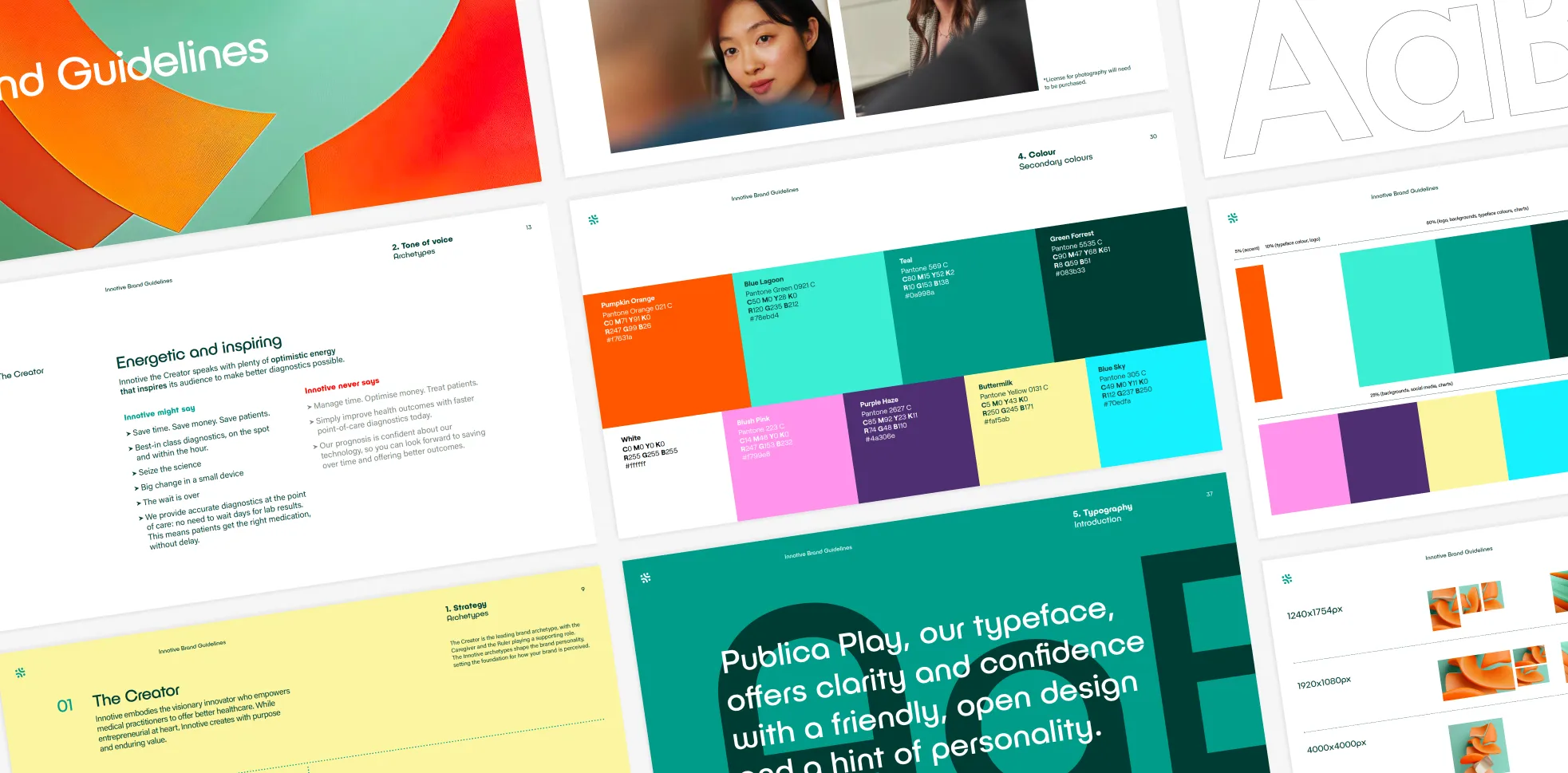
In these cases, the goal is to refine the brand so it reflects the current quality of the service. A brand identity refresh might include:
- Updating the visual identity (logo, colours, typography)
- Improving website design
- Refining messaging and tone of voice
- Creating clearer brand guidelines
This approach is particularly useful for established businesses because it allows the brand to evolve without discarding the recognition it’s spent years building.
When a rebrand makes more sense
A full rebrand is usually driven by strategic change within the business. Unlike a refresh, the rebranding process typically begins with a deeper look at positioning, audience, and the future direction of the business.
Here are some of the most common triggers:
1. The business has outgrown the brand
This happens often with startups and scale-ups.
A medtech company begins with a specific product, and the brand reflects that early narrative. A couple of funding rounds later, and the company is building a much broader platform. Suddenly, the original identity no longer fits.
The same thing can happen with clinical practices. A founder-led practice may grow into a multidisciplinary group, and the original brand stops describing reality.
2. The products or services have changed
Brands are essentially shortcuts for understanding: they tell people what a company does and why it matters. When the underlying offer shifts, that shortcut breaks.
This happens frequently when companies expand beyond the original product or service that defined them, and what used to be a clear story becomes something that requires explanation.
3. The audience has changed
Sometimes the business stays largely the same, but the people it’s speaking to change.
A medtech company that originally sold to clinicians might now be selling to hospital procurement teams, or a healthcare provider might want to reposition toward a more premium patient experience.
The language, tone, and visuals that work for one audience can feel completely wrong for another. Audience shifts are often where a rebranding strategy becomes unavoidable because the brand's first impression needs to align with who it's trying to reach.
How to choose between a brand refresh vs. rebrand
For teams trying to decide between a refresh or a rebrand, a few questions usually make the answer clear:
- Is the core positioning still right? If the brand still reflects the business, a refresh is often enough. You may need to modernise the identity but that’s different from changing the brand at its core.
- Has the business actually changed? This is the question people dodge because it forces honesty. If the organisation has shifted, then the old brand may be describing a company that no longer exists.
- How much trust lives in the brand? A long-established business can’t treat branding like a fashion cycle. If audiences already recognise your name and identity, you need to know exactly what you’re disturbing before you start changing things.
- Are you ready to implement what you decide? A full rebrand doesn’t stop at a logo. It touches signage, documentation, websites, communications, marketing materials, and more.
Whether the right move is a refresh or a full rebrand, the aim is the same: the brand should tell the truth about the business as it exists now.
When the brand reflects reality, it becomes easier for patients, partners, and investors to understand what the organisation stands for. And when that happens, the brand can start doing real work.
What is the main difference between a brand refresh and a rebrand?
How do healthcare organisations know if a refresh is enough?
When does a healthcare brand usually need a full rebrand?
Why is branding change more sensitive in healthcare?
Can a website redesign be part of a brand refresh?
How can teams decide between a refresh and a rebrand?