
Why Your Commercial Property Website Still Needs a Brand Story

If your commercial property website isn't performing, the typical response is to rebuild it.
If you go to a development-first agency, they’ll naturally start by thinking about the website itself: the platform, functionality, user journeys and technical performance. Those things are important (we care about them too) but they're only part of the picture.
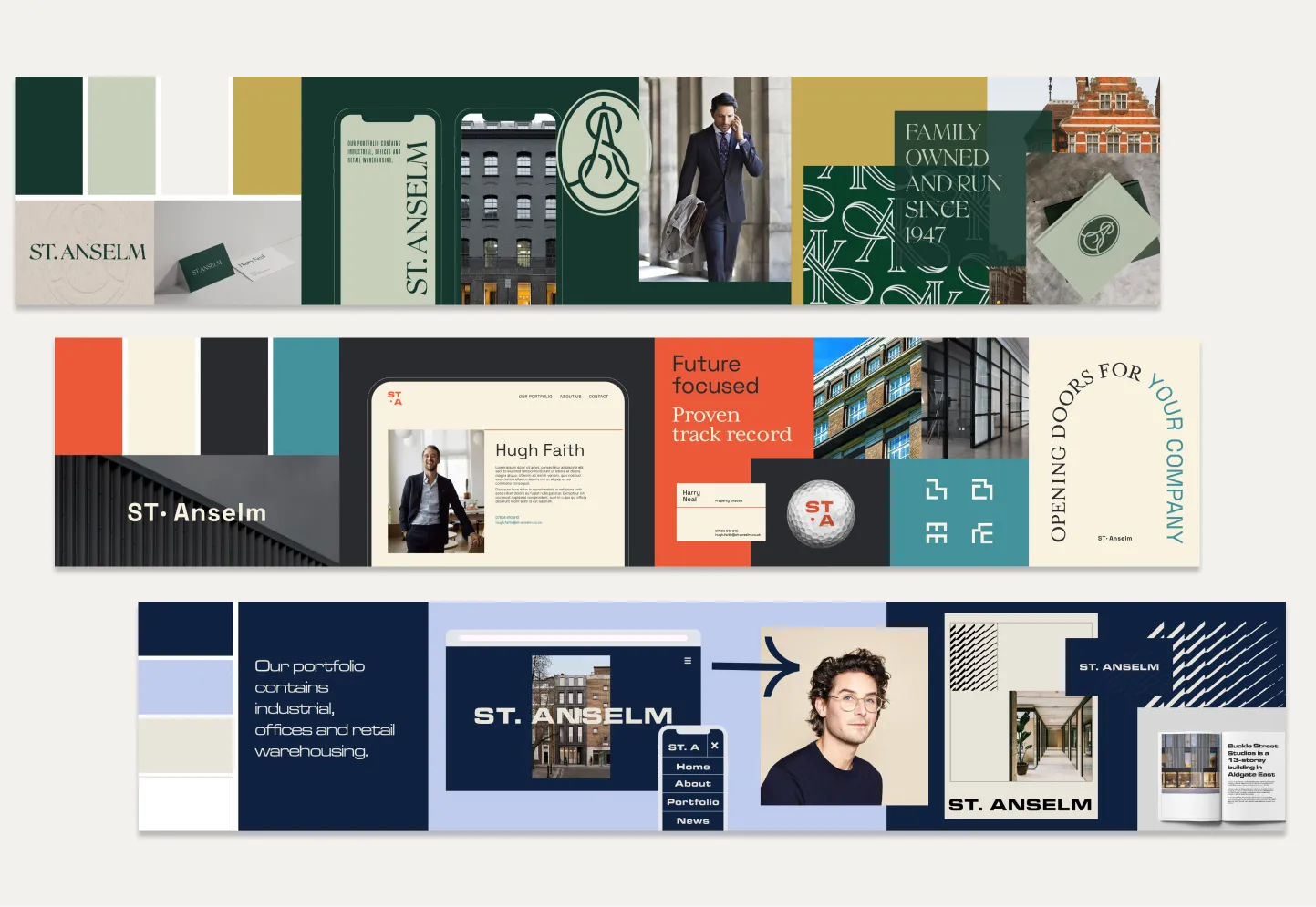
The reality is that many underperforming websites don't have a design or functionality problem. They have a brand problem. And if the strategy doesn’t change, the results usually won’t either.
The best-performing property websites aren't successful just because they look good and function well. They succeed because they know exactly what they stand for and who they're speaking to.
In this article, we’re looking at why commercial property branding should always come before the website build.
What exactly is a brand story?
Despite the name, a property brand story isn't your company history or an "About Us" page explaining how it all began. It's the strategic narrative that gives people a reason to choose you.
In commercial property, investors, occupiers and buyers are faced with countless developments that promise prime locations, premium finishes and long-term value. Those things matter, but they've also become the baseline.
A brand story explains everything that sits beyond the specs. It communicates your perspective, purpose and the value you bring. Think of it as the thread that connects every touchpoint.
Your brand story shapes your property brand identity, informs your messaging and gives your commercial property marketing a direction. In short, it isn't something you add to your website. It's the reason your website has something worth saying in the first place.
Why commercial property branding has become so difficult
Commercial property has never been short of competition, but what’s changed is how difficult it’s become to stand out.
Without a clear commercial property branding strategy, it's easy to become another option in an increasingly crowded market. Here's why.
The buyer journey has changed
Long before anyone picks up the phone or books a viewing, they're doing their homework.
Investors, occupiers and buyers are comparing websites, reading case studies, scrolling through LinkedIn and forming opinions about the companies behind the developments. By the time they enquire, they've often shortlisted several options (and ruled out plenty more).
If your website and marketing don't communicate a clear point of difference, you're leaving location and price to do all the heavy lifting.
Everyone is saying the same thing
Today's buyers have more choices than ever, while many developments have never looked more alike.
Browse a handful of commercial property websites and you'll quickly notice the same themes. At this point, things like premium amenities and excellent transport links are simply the price of entry.
When the functional differences between one property and the next are this small, people begin making decisions based on less tangible factors:
- Who they trust
- Which company feels more credible
- Which development has a clearer point of view
If you haven't stopped to ask what differentiates you from your three closest competitors, there's a good chance your audience won't either. They'll simply compare what's easiest to compare: price, location and availability.
You’re selling more than a building
Whether you're marketing office space, industrial units or a mixed-use development, people aren't just investing in bricks and mortar. They’re asking questions like:
- Can you deliver what you've promised?
- Will the development live up to expectations?
- Will you still be around in five years' time?
Because credibility is so important, many developers end up taking the safest possible approach to their branding. It's understandable, but it’s also how you end up with a sea of sameness.
Strong commercial property branding isn't about making bigger claims. It's about giving people a reason to believe in your business.
.webp)
Signs your website has a brand problem
Sometimes, your website really is the problem. Slow load times, poor user experience, broken functionality or outdated design can all cost you enquiries.
But if your website looks modern, is technically sound, and still isn't delivering results, the issue may lie elsewhere. Here are a few signs that your website problem is actually a brand problem:
Your website is trying to speak to everyone
Commercial property rarely has a single audience. You may be targeting investors, occupiers, tenants, buyers or development partners who each have different priorities and motivations.
When your messaging tries to appeal to everyone at once, it often resonates with no one.
A clear commercial property brand strategy helps define who you're speaking to and what matters to them, so your website can communicate effectively rather than trying to tick every box.
Your website looks great, but enquiries haven't changed
A modern website should improve the user experience, but design alone won't drive conversions.
If visitors are finding your site but aren't getting in touch, it may be because they're not seeing a compelling reason to choose you. Without clear positioning, even the best-designed website can struggle to convert interest into enquiries.
Every page explains what you do
Most commercial property websites do a good job of listing locations, specifications and amenities. Far fewer explain why those features matter or what makes the development genuinely distinctive.
A strong property brand story connects the facts to a bigger idea. It gives people something to remember, something to trust and something to choose.
Why a brand positioning strategy should come before design
A website can only communicate what your business already knows about itself.
If you haven't defined who your development is for, what makes it different or why someone should choose it over the alternatives, no amount of good design will fill in the gaps.
That's why good property development branding should always begin with strategy. Before choosing colours, layouts or imagery, you should answer some fundamental questions:
- Who are we really building for?
- What makes this development or business different?
- Why should people trust us?
- What experience, expertise or philosophy sets us apart?
- What do we want to be known for?
- Why should someone choose us over alternatives?
If your answers are difficult to articulate—or they sound much the same as your competitors—you've found the real problem. But once your positioning becomes clear, your website becomes a powerful tool for commercial property marketing.
Ready to build from the brand out? Whether you're launching a new development, repositioning your company, or planning a website rebuild, get in touch to talk about your goals.
Frequently asked questions
Why do so many property brands look the same?
How can a property brand stand out from competitors?
What makes a strong property brand?
Should property branding follow industry trends?
Why is brand positioning important for property companies?