
What’s Actually Included in a Startup Branding Package?

A startup branding package typically includes a logo system, colour palette, typography and brand guidelines, supported by some level of strategy. Depending on the size of your business, the package can expand into deeper strategy, brand architecture, templates, messaging systems, and AI-ready brand assets.
There’s a temptation to judge a startup branding package by volume. More deliverables, pages, and files surely equals more brand? In practice, startups rarely need everything at once.
The more useful question is what your business needs to make clear decisions now, without creating a system it will outgrow in six months. That could mean a focused identity and light-touch strategy for an early-stage startup, or something more structured for a team already juggling products, channels, and audiences.
Before comparing deliverable lists or how much branding should cost, it helps to understand what actually makes up a branding package for startups. In this guide, we’ll break down the essentials, where the scope starts to expand, and which elements become useful as the business grows.
.webp)
What’s included in branding packages for startups?
At its simplest, a brand pack is the collection of parts a startup needs to look and sound like the same company from one day to the next. The standard ingredients are fairly predictable:
- A logo system
- Colour palette
- Typography
- Brand guidelines
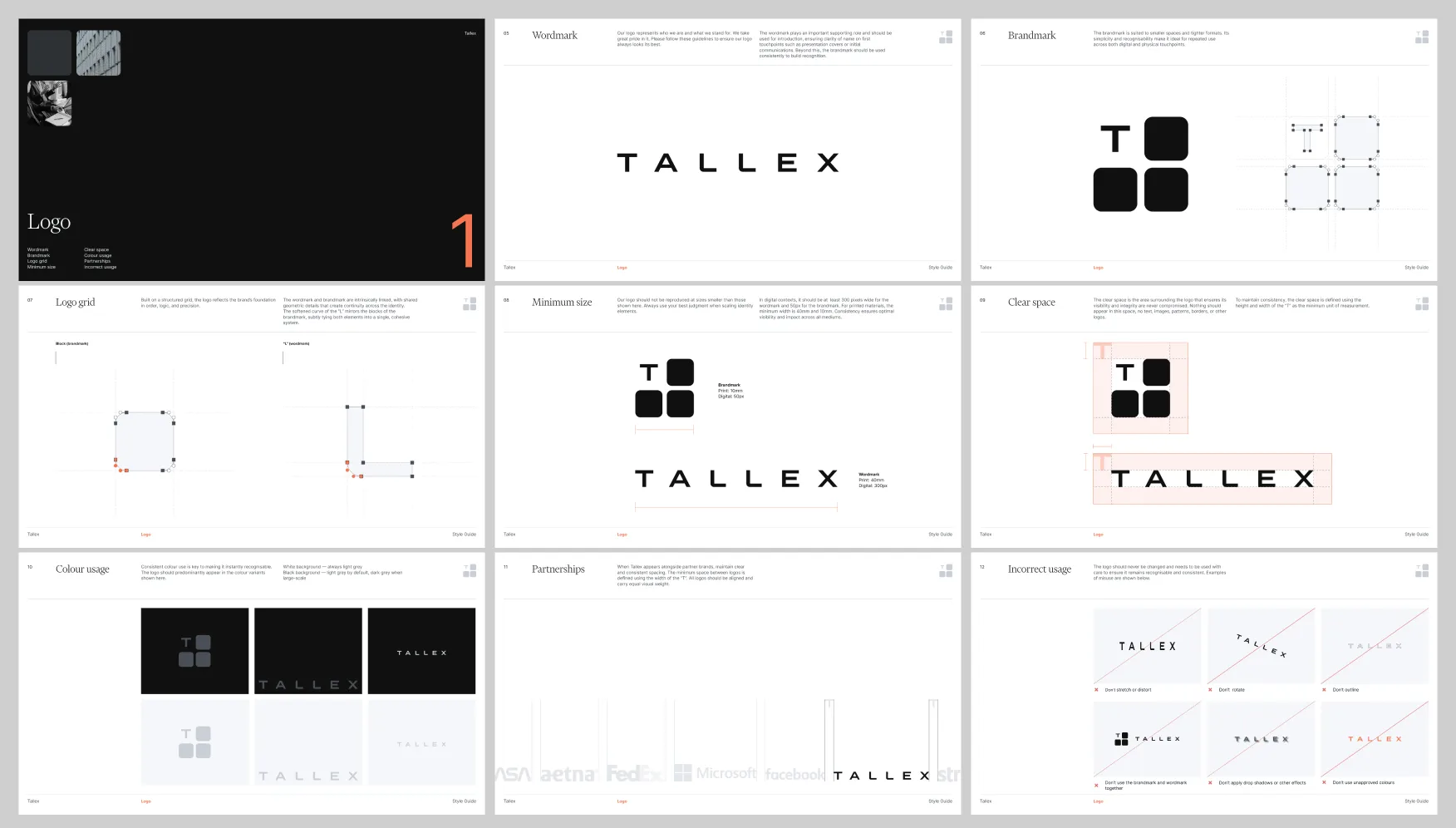
None of the above are particularly surprising, but what matters just as much is how the elements work together. A good identity isn’t just a folder of assets. It’s a system that accounts for real-world use cases:
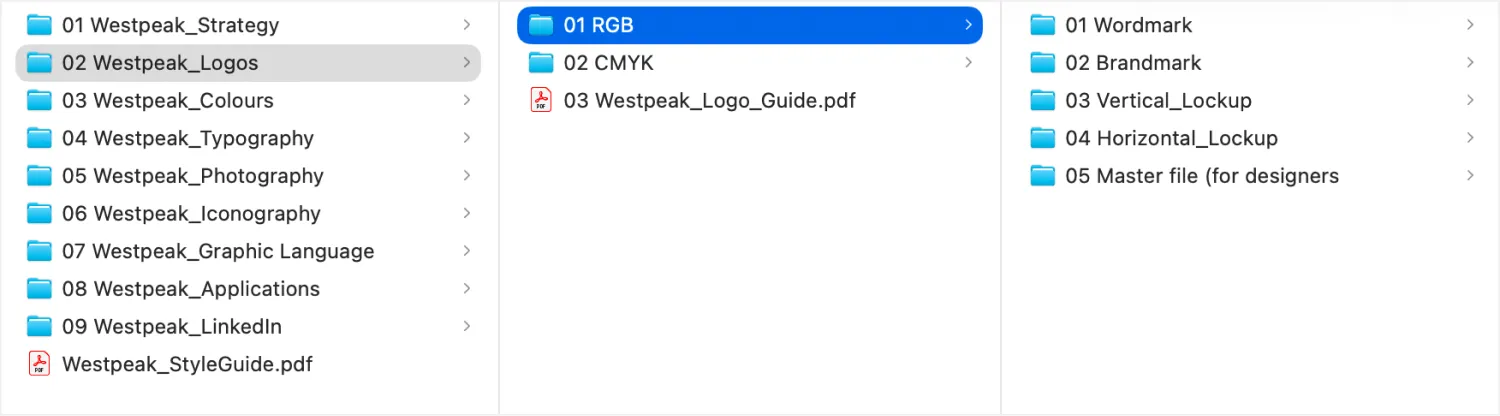
- The logo needs variations for different contexts
- The colours need rules rather than just hex codes
- Templates need enough flexibility to be useful once content is added
- The typography needs enough hierarchy to hold up on a dense pitch deck
- The system needs to work across digital and physical applications
Some studios call this a brand pack, while others split it into strategy, identity and guidelines. At the lighter end, you’ll also see a logo design package, which is useful if a logo is genuinely all you need, but it isn’t the same thing as building a brand.
What is a full branding package for startups?
A full branding package takes the core identity and extends it into the wider system the business needs to communicate. That might include:
- Brand strategy and positioning
- Logo system
- Colour and typography
- Messaging and tone of voice
- Photography or art direction
- Graphic elements and iconography
- Social and marketing templates
- Presentation templates
- Brand guidelines
- AI-ready brand flows
- AI voice framework
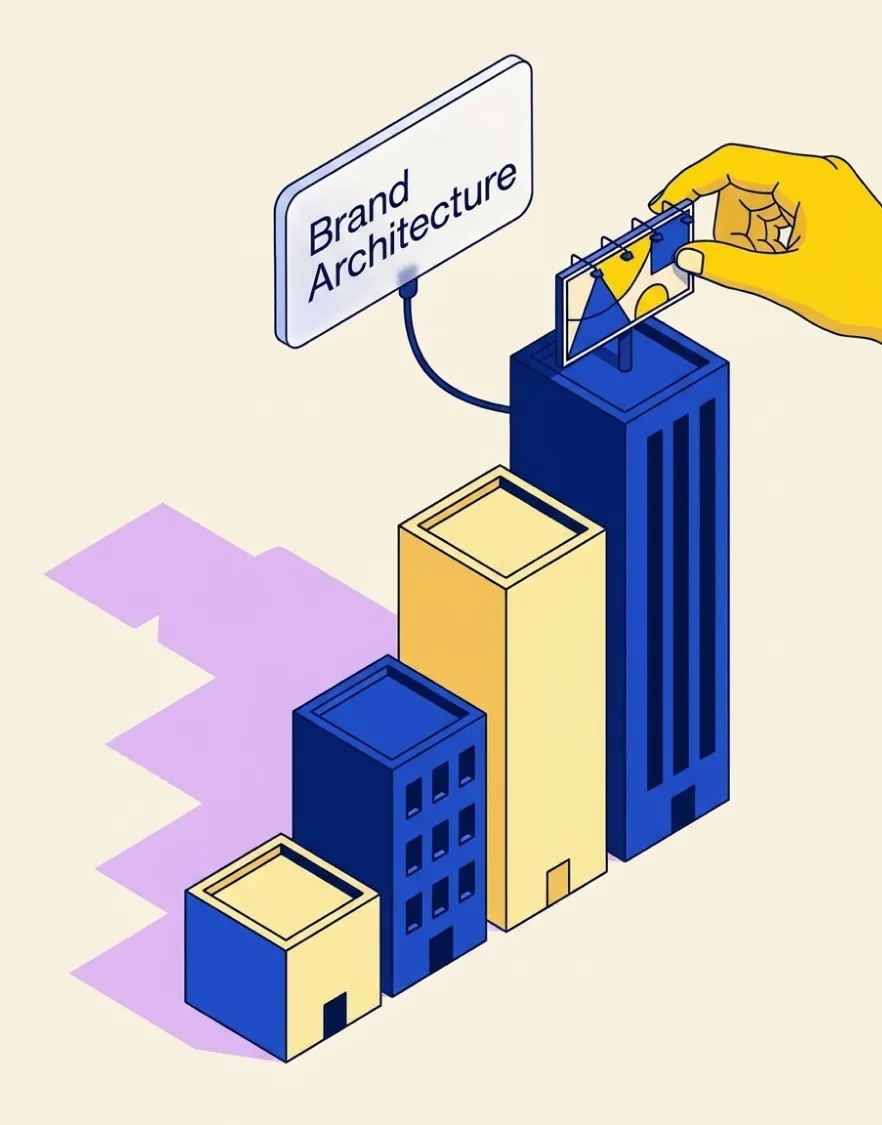
- Brand architecture
A three-person startup with one product probably doesn’t need 47 social templates and a 96-page guidelines document. It needs a strong foundation and enough tools to use it properly.
A scaling company with several products and an internal marketing team has a different problem. More people are making decisions on behalf of the brand, so the system needs to do more. This is where your brand guidelines move beyond what colour goes where and into how the brand adapts across different contexts, markets, products, and audiences.
When comparing the branding packages UK studios offer, keep in mind that one agency’s “complete” package might be another’s starting point. The label tells you very little. The scope (and the thinking behind it) tells you considerably more.
Should a brand pack include AI brand guidelines?
If your team is already using AI to write, ideate, or produce marketing content, yes.
Most traditional brand guidelines are made for humans. A person can read “confident, direct, never corporate”, look at a few examples, and make a reasonably intelligent judgement about what that means. An LLM can work with those principles too, but it works much better when they’re translated into explicit instructions.
For a smaller team, this can be simple. One LLM tone-of-voice guide might cover sentence structure, vocabulary, brand personality, preferred terminology, things to avoid, and examples of what sounds right and wrong.
For larger teams, one guide may not be enough. The brand voice should remain recognisable, but it naturally behaves differently across channels. So the AI brand system can be split into channel-specific LLM guides: one for social, one for newsletters, one for performance marketing, one for outreach, and so on.
How do you know which brand package your startup needs?
Before looking at the branding package, look at your business and ask a few questions:
- How many products do you have?
- How many audiences?
- How many markets are you operating in?
- How many people are creating content?
- Which channels are you using?
- What gets produced repeatedly?
- Which decisions are already becoming inconsistent?
Those answers are considerably more useful than whether Package B contains three more deliverables than Package A.
For an early-stage startup, the strategy can be relatively lean: core principles, brand promise, personality, and a positioning statement. As the business becomes more complex, more strategic work tends to follow.
A company entering a competitive market, speaking to several audiences, or expanding may need customer research, competitor audits, category analysis and a more developed messaging framework. As the business grows, the system can grow with it.
The appropriate amount of strategy and design all depends on what needs resolving. A full branding package isn’t necessarily the goal. The goal is having enough brand work to support the business you actually have, with enough flexibility for the one you’re trying to build.
That’s the thinking behind our Full Brand Bundle. Strategy, identity and the tools needed to put your brand to work, shaped around where your business is now and where it needs to go next.
Or, if you’re not quite sure what you need yet, book a call and we’ll help you work it out.
Frequently Ask Questions
What should brand guidelines include?
How long does a startup branding project take?
Do startups need tone-of-voice guidelines?
What’s the difference between a logo design package and a branding package?
Does a startup need a full branding package?
When does a startup need brand architecture?
How do I choose between branding packages for startups?